
The Basics of VoIP Technology
VoIP is a technology that reduces the cost of your phone calls, and to understand why, you first need to understand the basics of how VoIP works.
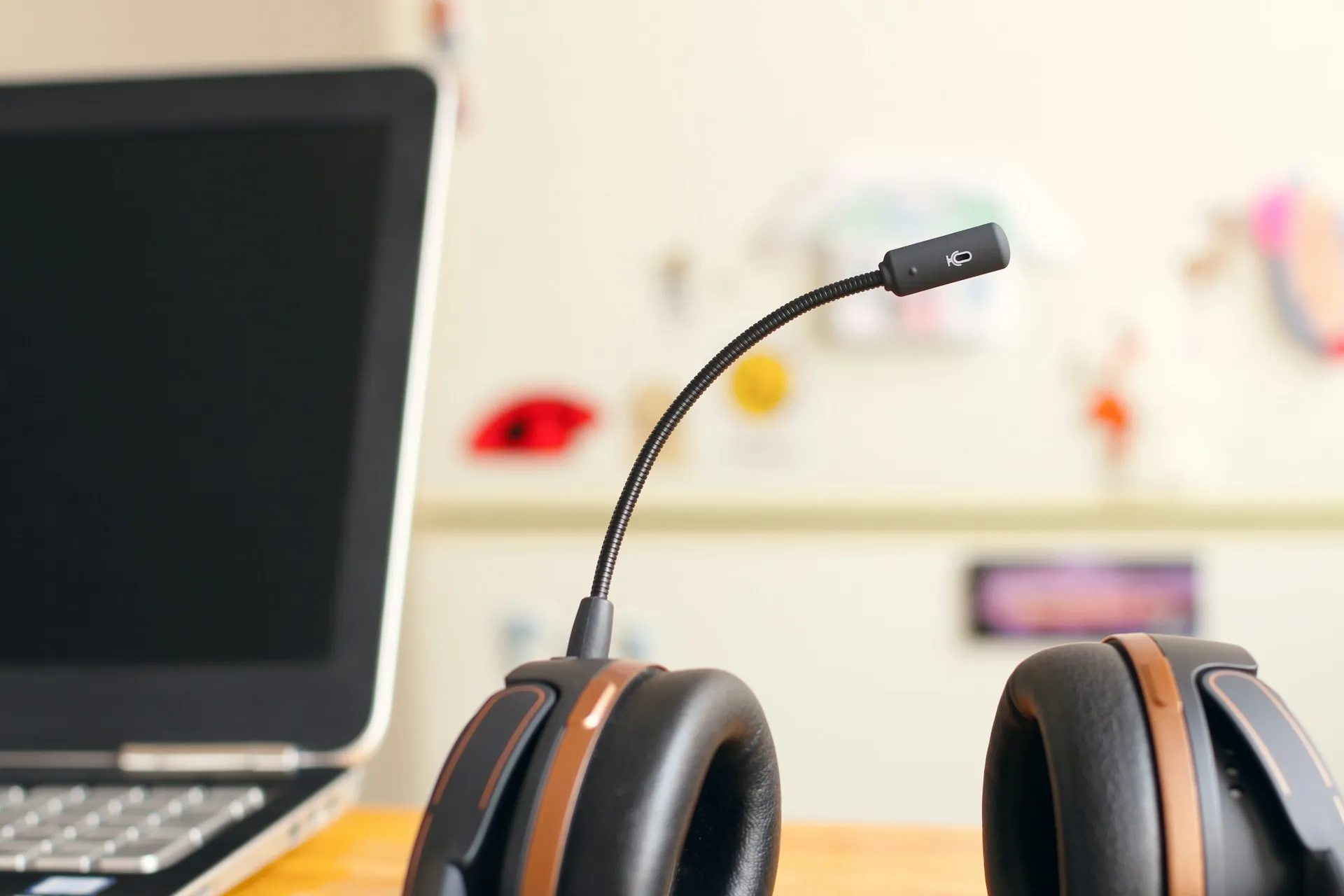
- VoIP Is Data: VoIP is data, just like instant messages, records, and files. With VoIP, voice is turned into another kind of data. This may seem hard to grasp at first, but the key point is that VoIP, and the voice it carries, is data. This is the first foundation we need to understand.
- VoIP Uses a Different Network: Systems built on legacy technology required two separate networks to carry voice and data: one network for computers to carry data, and a separate phone network to carry voice. VoIP brings voice onto a single data network, offering you a much simpler, lower-cost technology.
- VoIP Is Real-Time: Traditional phones were designed to deliver high-quality voice in real time. This is their most important and essential feature, and for a long time it was quite difficult for VoIP to match. However, VoIP has improved over time, and with good software and a good network, it can now deliver high voice quality in real time. That’s why a VoIP phone can now replace a traditional phone.
- VoIP Is Evolving: Traditional phones may be a system you have used for years and are satisfied with, but they are no longer being developed or improved. VoIP, on the other hand, is a constantly evolving technology that is still open to development. As today’s technology advances, VoIP will continue to evolve and offer better services.
What Is a VoIP Phone?
A VoIP phone provides phone service over the internet; it is an internet-based telephony technology. Calls are made over the internet instead of traditional phone lines. VoIP calls are also very low-cost thanks to reduced infrastructure, and they let you make your calls more efficiently and quickly. VoIP provides all the services that regular phone service provides, so it is a fully functional system at a lower cost. In addition, VoIP has many basic features, such as:
- Virtual switchboard numbers that keep track of your and your employees’ calls.
- Hassle-free installation on your existing internet connection.
- A widely used and economical solution.
- Simple integration with other software applications.
Who Uses This Technology?
Any business that uses phone services can use a VoIP system because, as mentioned above, it has many new and evolving features. Small, medium, and large businesses use VoIP phones because they improve return on investment and productivity and help deliver a better customer experience. Small and medium-sized businesses in particular want good, high-quality service without straining their finances. VoIP makes this possible by keeping costs to a minimum while working more efficiently.
Top 4 Benefits of Owning a VoIP Phone
Free International Calls
International calls become much easier because VoIP phones are a completely internet-based system. Making international calls with a VoIP phone instead of a fixed line therefore gives you a great advantage: because the system is internet-based, your calls can be free. You can also add the numbers you call to your system as internal extensions and keep calling them for free. A VoIP system does not need to be physically located in a particular country because it is an internet-based cloud system, so you can get a virtual switchboard number from any country you want and make calls without paying a fortune.
Cheaper than Traditional Landlines
VoIP systems use your existing internet connection for phone calls, so you do not need additional phone lines. In a world where technology is constantly developing, we can now make many of our needs cheaper by using the internet, and VoIP phones cost much less than traditional landlines. When you switch to a VoIP phone system, you use the internet to transfer call data, which makes long calls cheaper. Traditional landlines charge for every minute of call time, which can be expensive for your company, so using VoIP saves your business money.
You Get More Features with a VoIP Phone
VoIP gives you many features that increase your company’s efficiency. For example, if you prefer to send a message instead of making a phone call, you can forward voice messages to your files, messages, emails, and instant messengers. You can transfer calls using VoIP phone systems and use mobile apps and softphones to check your voicemail. You can also ease your busy workflow by sending business messages to your customers via SMS.
Additionally, when you cannot answer the phone, you can forward the call to an available employee. If your company is in a regulated industry, recording your meetings and calls is very important. With a VoIP phone system, you can record your calls and access those recordings at any time. And if you don’t want to be disturbed while you are on a call with a customer, the VoIP system can transfer incoming calls to another employee, who can send the call to voicemail or answer it at the press of a button.
Unlimited Calling for Businesses
You can make unlimited calls for your business using VoIP technology. You don’t need to pay for a separate landline, because calls are routed over your internet connection. This also lets you call any phone number outside your local calling area. With a VoIP phone, you can make unlimited calls from home, the office, your computer, and even your mobile phone, at a lower cost than a fixed line.
Conclusion: Invest in the Future
VoIP is now the standard form of voice communication for many organizations worldwide. This is because it brings numerous advantages over traditional phone systems, including lower setup costs, reduced infrastructure, and cheaper calls. Over time, the digital transformation of business telephony through VoIP phones will enable better scalability, better voice quality, and a unified communications system across the enterprise that is not limited to a single location. This internet-based system will keep improving as technology develops and will meet more and more of your needs.
Because its costs keep falling and its features keep advancing, VoIP is becoming inevitable for businesses. Your internal calls, messages, and conversations with customers can all run over a VoIP system, and every year, VoIP will become more useful and more functional for your company. Eventually, fixed lines will disappear from our offices entirely and be replaced by highly functional, cost-effective VoIP phones.
Frequently Asked Questions (FAQs) about VoIP Phones
Who Can I Call with VoIP Phones?
With a VoIP phone, you can call anyone who has a phone number. VoIP also makes conference calls easier.
Does VoIP Work in an Emergency?
VoIP phones need power to make calls, so businesses should either get a backup power source or add IP phones to their existing solution in case of emergency.
Is VoIP Phone Service Reliable?
VoIP phones are very reliable and offer secure phone service. However, they are connected to the data network, so if the network goes down, they won’t work until the connection is restored.
Do I Need Any Equipment to Use VoIP?
Using a VoIP phone is easier and cheaper than using traditional phones, because it requires much less equipment. With VoIP, you only pay for the users you need.
What Does VoIP Technology Provide to Businesses?
VoIP provides businesses with benefits such as fast, flexible calling, pre-recorded messages, and one-button call routing. With a VoIP phone, you can also make video calls on a compatible device, use other communication services such as instant messaging and teleconferencing, receive voicemail, and much more.
You can also take a look at our other blog posts.
Resource:
Analyze the content of this post with
Written by

Onur Ozgur OZKAN
Co-founder & CEO
The Hipcall team builds an all-in-one communication platform for sales and support teams, combining business phone, call centre, CRM, and helpdesk into a single workspace.
Related Posts
Call Centre Software vs Business Phone System
Call centre software manages agents and queues. A business phone system connects calls. Learn the key differences and which one your team actually needs.

History of Fax Machine - Beginner's Guide
Dive into the fascinating history of the fax machine with our beginner's guide! Learn about the evolution, impact, and legacy of this iconic communication tool.
What is Online Faxing? 4 Common Uses
Learn what online faxing is and explore its 4 common uses. Discover how cloud faxing streamlines communication, reduces costs, and keeps data secure.
Stay in the loop
Get the latest product updates, tips, and industry insights delivered to your inbox.
Try for Free