
This is the seventh article in our CRM blog series. You can access the other articles in the series from the links below.
- Introduction to CRM: Learn the Basics
- Choosing the Right CRM for Your Business
- Implementing CRM: Best Practices
- Enhancing Customer Engagement with CRM
- Leveraging CRM for Sales Automation
- CRM and Customer Service Success
- Measuring CRM Success: KPI and Analytics - (You are reading this article.)
Understanding Key Performance Indicators (KPIs) for CRM Success
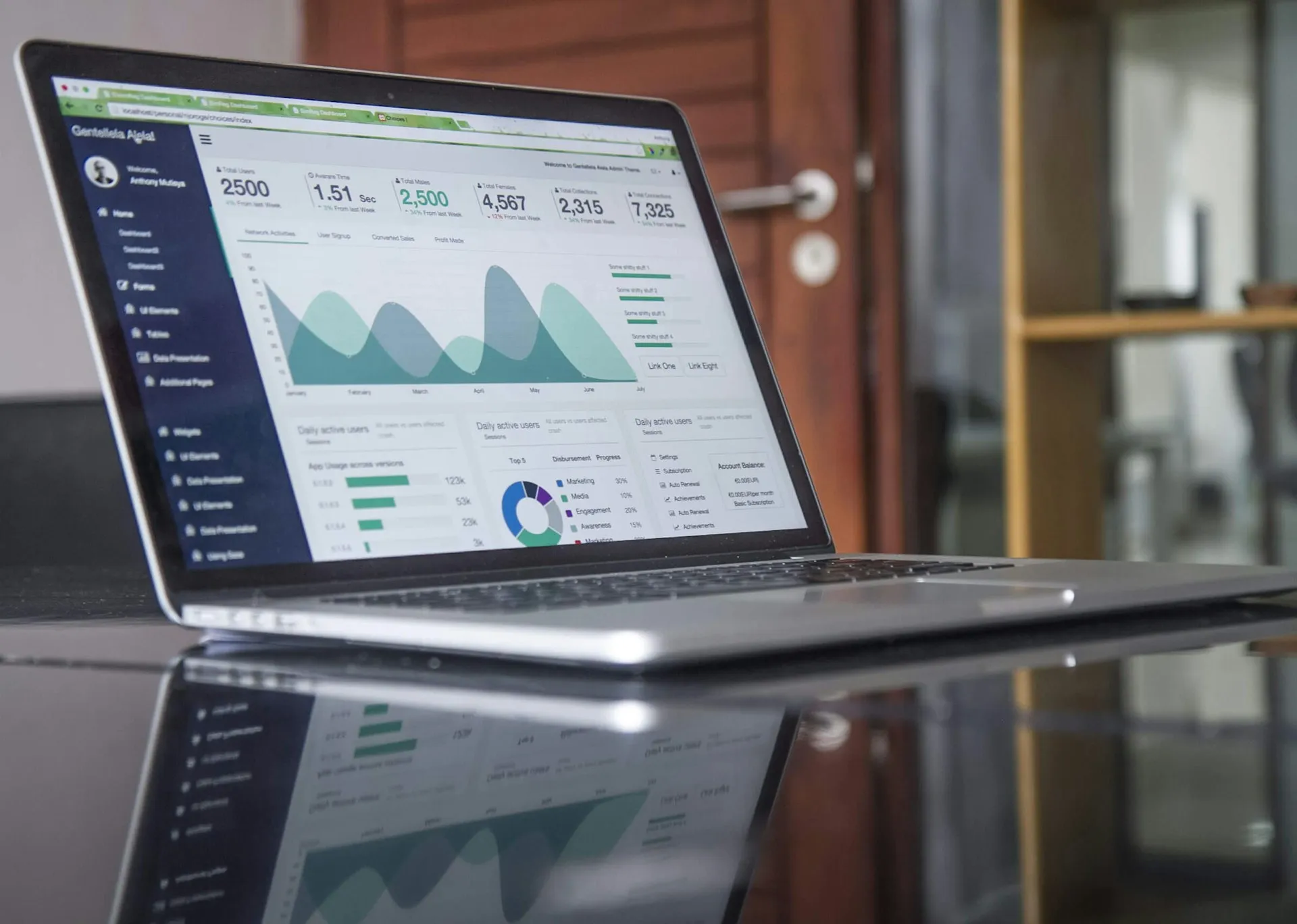
Understanding Key Performance Indicators (KPIs) is crucial for achieving CRM success. KPIs provide invaluable insights into the effectiveness of your customer relationship management strategy and help measure the overall performance of your CRM system. By defining and tracking relevant KPIs, businesses can gain a comprehensive understanding of their customer interactions, sales processes, and marketing efforts.
These metrics enable organizations to identify areas for improvement, optimize customer engagement, and drive revenue growth. With the aid of advanced analytics tools, businesses can analyze KPI data to uncover trends, patterns, and opportunities for enhancing customer satisfaction and loyalty. By focusing on KPIs that align with their specific goals, businesses can proactively monitor their CRM performance and make data-driven decisions to fuel continuous improvement.
Choosing the Right Analytics Tools to Measure CRM Performance
Choosing the right analytics tools is essential for effectively measuring CRM performance. With a myriad of options available, selecting the appropriate toolset can significantly impact the accuracy and depth of insights gained. When evaluating analytics tools, it’s crucial to consider factors such as data integration capabilities, scalability, user-friendliness, and the availability of relevant CRM metrics. Robust tools provide comprehensive dashboards, customizable reports, and visualizations that empower businesses to monitor KPIs and track progress over time. Moreover, these tools enable advanced data analysis, such as segmentation, cohort analysis, and predictive modeling, which reveal valuable trends and predictive insights.
By investing in the right analytics tools, organizations can unlock the full potential of their CRM data, make informed decisions, and drive continuous improvements in customer satisfaction, retention, and overall business performance.
Leveraging Data-driven Insights: Analyzing CRM Metrics
Leveraging data-driven insights through the analysis of CRM metrics is key to achieving CRM success. By carefully examining the vast array of available CRM data, businesses can gain valuable insights into customer behavior, preferences, and engagement patterns. Analyzing CRM metrics allows organizations to identify strengths and weaknesses in their customer relationship management strategies, enabling them to make data-backed decisions for improvement.
Through the examination of customer acquisition and retention rates, sales conversion rates, customer lifetime value, and other relevant metrics, businesses can pinpoint areas where they excel and areas that require attention. Furthermore, data-driven insights derived from CRM analytics facilitate the identification of emerging market trends, enabling businesses to adapt their strategies and stay ahead of the competition. By harnessing the power of CRM metrics analysis, organizations can optimize their customer interactions, enhance personalization efforts, and drive long-term business growth.
The Importance of Tracking Customer Engagement in CRM
Tracking customer engagement is of utmost importance for CRM success. Customer engagement serves as a crucial indicator of how effectively businesses are building and maintaining relationships with their customers. By monitoring customer interactions across various touchpoints, businesses can gain valuable insights into customer preferences, behaviors, and satisfaction levels. Tracking customer engagement allows organizations to identify the most effective communication channels, content, and marketing campaigns that resonate with their target audience.
Furthermore, it enables businesses to proactively address any potential issues, such as low response rates or declining engagement, and take corrective measures to nurture and retain customers. By leveraging CRM analytics to measure customer engagement metrics like click-through rates, email open rates, website traffic, and social media interactions, businesses can optimize their marketing strategies, personalize their communications, and create exceptional customer experiences. Ultimately, tracking customer engagement empowers businesses to foster loyalty, increase customer retention, and drive long-term growth.
Measuring CRM Success: Metrics for Sales, Customer Satisfaction, and Retention
Measuring CRM success requires the use of metrics that encompass sales, customer satisfaction, and retention. Sales metrics, such as conversion rates, average deal size, and sales velocity, provide insights into the effectiveness of the sales process and the overall revenue generated. Customer satisfaction metrics, including Net Promoter Score (NPS), customer feedback ratings, and customer support response time, gauge the level of satisfaction and loyalty among customers.
Retention metrics, such as customer churn rate, repeat purchase rate, and customer lifetime value, measure a business’s ability to retain customers and nurture long-term relationships with them. By tracking these key metrics, businesses can identify areas of improvement, optimize their strategies, and enhance customer experiences. With the help of advanced analytics, businesses can delve deeper into the data, uncover trends, and make data-driven decisions to drive CRM success and ensure sustainable business growth.
Analyze the content of this post with
Written by

Onur Ozgur OZKAN
Co-founder & CEO
The Hipcall team builds an all-in-one communication platform for sales and support teams, combining business phone, call centre, CRM, and helpdesk into a single workspace.
Related Posts
10 Books Every Sales Team Should Read
A curated reading list to sharpen your pipeline, master objections, and close more deals — from prospecting to enterprise negotiation.

Benefits of Sales Apps & 4 Best Sales Apps
Learn what sales apps are used for, explore key benefits, and discover the 4 best sales apps to boost team efficiency and drive business growth.
Introduction to CRM: Learn the Basics
Discover the power of CRM and take your business to new heights! Learn the basics and unlock the secrets to building strong, lasting customer relationships.
Stay in the loop
Get the latest product updates, tips, and industry insights delivered to your inbox.
Try for Free