
This is the fourth article in the Call Center blog series. You can access the other articles in the series from the links below.
- The Evolution of Call Centers: A Transformation
- Measuring Call Center Performance: Key Metrics
- Optimizing Call Center Workforce Management
- Customer Engagement in Call Centers: Best Practices - (You are reading this article.)
- Handling Difficult Customers in Call Centers
- Technology in Call Centers: Trends & Innovations
- Building a Successful Call Center Culture
Understanding the Importance of Customer Engagement in Call Centers
Understanding the importance of customer engagement in call centers is crucial for delivering exceptional service and building strong customer relationships. Customer engagement goes beyond simply resolving inquiries; it involves actively connecting with customers, listening to their needs, and providing personalized solutions.
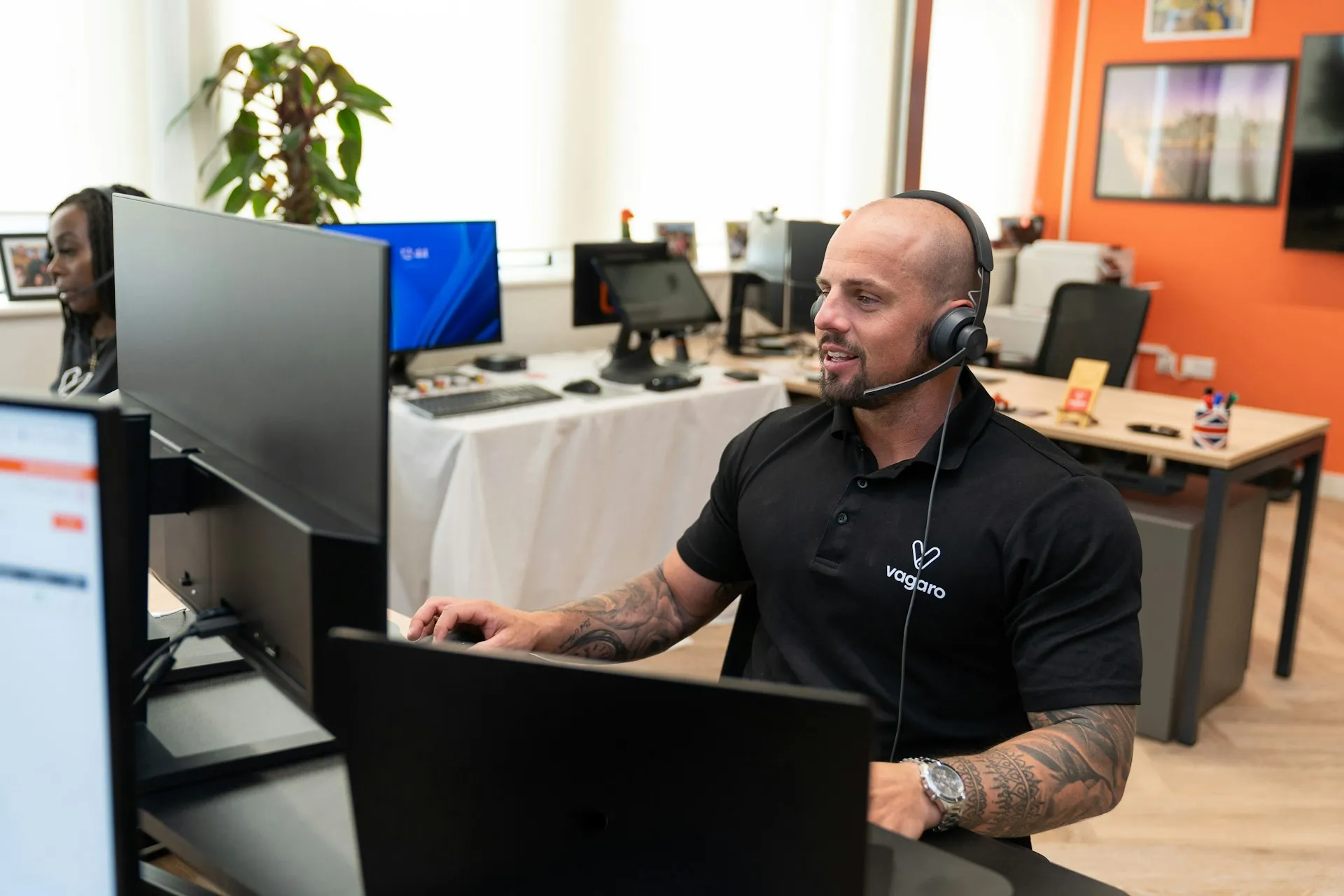
Engaged customers are more likely to be loyal, make repeat purchases, and recommend the business to other people. By prioritizing customer engagement, call centers can enhance customer satisfaction, increase retention rates, and ultimately drive business growth. Implementing best practices that foster effective customer engagement is vital for call centers to thrive in today’s competitive market.
Building Strong Customer Relationships: Best Practices for Call Centers
Building strong customer relationships is very important for call centers to thrive. Best practices include establishing a customer-centric approach, where agents prioritize empathy, active listening, and understanding customer needs. Personalization is key, as addressing customers by name and tailoring solutions to their specific requirements creates a personalized experience. Timely and effective communication is crucial, ensuring prompt responses and follow-ups. Proactive outreach and regular communication help build rapport and trust. Feedback gathering and continuous improvement demonstrate that the call center values customer input. By implementing these best practices, call centers can cultivate long-lasting relationships, enhance customer satisfaction, and foster loyalty in an increasingly competitive market.
Effective Communication Strategies for Customer Engagement in Call Centers
Effective communication strategies are essential for customer engagement in call centers. Clear and concise communication ensures that customers understand information and instructions accurately. Active listening allows agents to empathize with customers, address their concerns, and provide personalized solutions.
Positive language and a friendly tone create a welcoming environment. Multichannel communication options, such as phone, email, and live chat, offer convenience and flexibility for customers to reach out. Regular updates and proactive communication keep customers informed about their inquiries or issue resolutions. By employing these strategies, call centers can foster meaningful connections, enhance customer satisfaction, and drive long-term loyalty.
Personalization and Customization: Enhancing Customer Engagement in Call Centers
Personalization and customization are powerful tools for enhancing customer engagement in call centers. By tailoring interactions to meet individual customer needs, call center agents can create a more personalized experience. This involves using customer data and preferences to address them by name, offer relevant product recommendations, and provide customized solutions. Personalization builds trust and strengthens the customer-agent relationship.
Additionally, allowing customers to customize their communication preferences, such as preferred channels or frequency of contact, empowers them and increases satisfaction. By prioritizing personalization and customization, call centers can elevate customer engagement, foster loyalty, and stand out in a competitive market.
Empathy and Active Listening: Key Elements of Customer Engagement in Call Centers
Empathy and active listening are also vital elements of customer engagement in call centers. By demonstrating empathy, call center agents show understanding and compassion towards customer concerns, fostering a positive connection.
Active listening allows agents to fully comprehend customer needs, ask clarifying questions, and provide appropriate solutions to their problems. This attentive approach not only resolves issues effectively but also makes customers feel heard and valued. Empathy and active listening contribute to building trust, enhancing customer satisfaction, and promoting long-term loyalty. By prioritizing these key elements, call centers can create exceptional customer experiences and establish themselves as trusted partners in customer engagement.
Measuring and Improving Customer Engagement in Call Centers: Best Approaches and Metrics
Measuring and improving customer engagement in call centers requires effective approaches and the right metrics. Net Promoter Score (NPS) and Customer Satisfaction Score (CSAT) are some of the common metrics used to assess customer engagement levels. Regular customer surveys and feedback collection also provide valuable insights. Quality monitoring of call interactions and analyzing customer interaction data help identify areas for improvement in call centers.
Additionally, tracking metrics like first-call resolution rate and average handling time helps measure efficiency. Training programs on empathy and active listening can enhance agent skills. Continuous improvement based on customer feedback ensures a customer-centric approach. By employing these best approaches and metrics, call centers can optimize customer engagement, boost satisfaction, and build stronger customer loyalty.
Analyze the content of this post with
Written by

Onur Ozgur OZKAN
Co-founder & CEO
The Hipcall team builds an all-in-one communication platform for sales and support teams, combining business phone, call centre, CRM, and helpdesk into a single workspace.
Related Posts
What Is IVR? How Interactive Voice Response Systems Work
IVR (Interactive Voice Response) routes callers to the right team automatically, day or night. Learn how it works, its benefits, and how to set one up.

Call Centre Service Level: ISO 18295, BDDK, and EPDK
One month of calls, 3 legitimate service level percentages. Here's what ISO 18295, BDDK, and EPDK each put in the total, when the clock starts, and why.
Agent Status Timeline: every agent's day, at a glance
The Agent Status Timeline turns raw status logs into a visual chart, so supervisors can see who was on break, busy, or available at any given moment.
Stay in the loop
Get the latest product updates, tips, and industry insights delivered to your inbox.
Try for Free